


Digital banking is gaining momentum, and even traditional financial services providers are trying to introduce digital apps in their service offerings to expand their outreach. However, the success of digital transition often depends on the reliability of the chosen contractor. This case study examines the partnership of 4IRE with a Saudi Arabian digital bank on the app’s development after the previous subcontractor could not deliver a high-quality product due to a lack of industry-specific expertise.
Client’s Profile
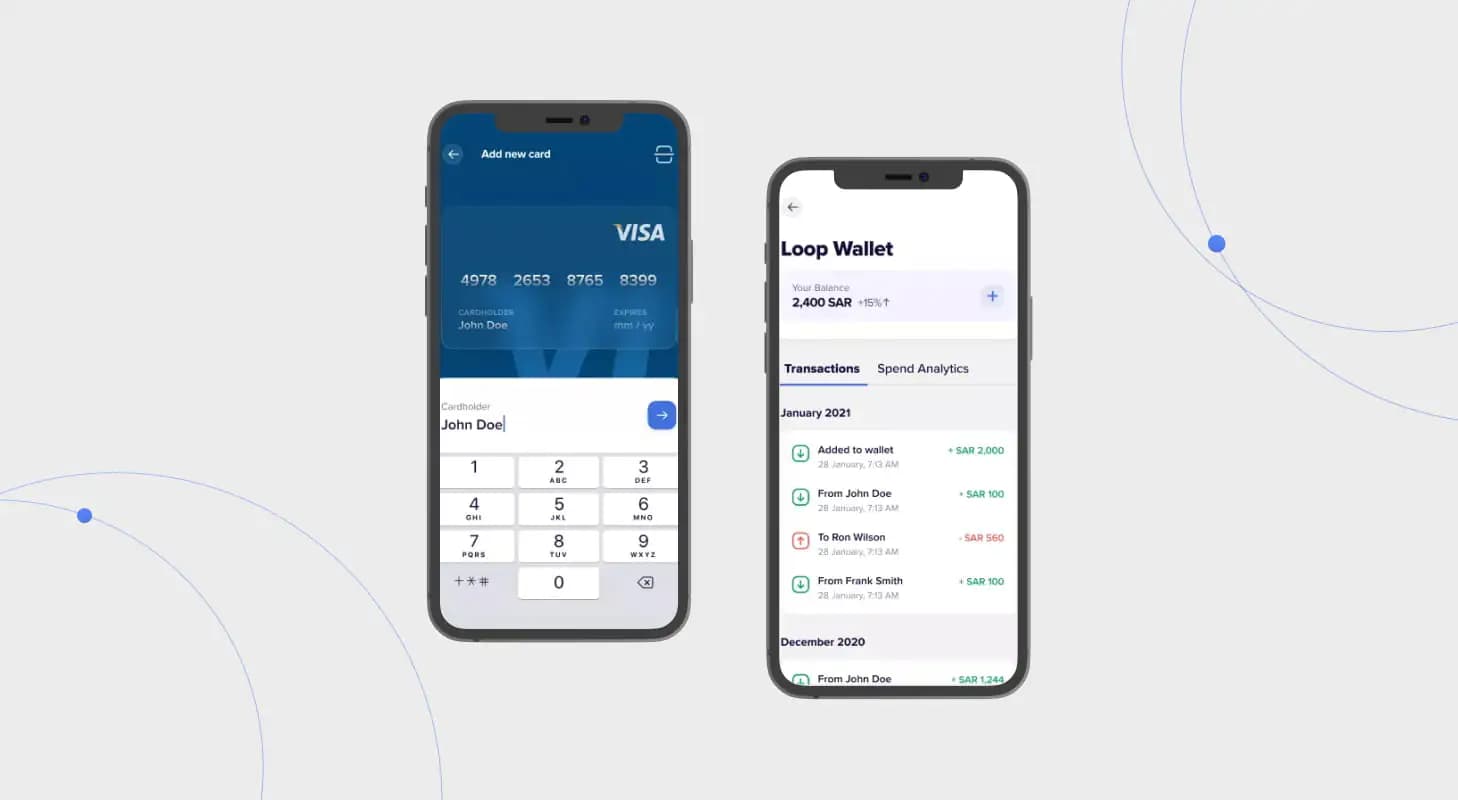
BayanPay is a Saudi Arabia-based financial services startup that initially hired an overseas software development company to create an innovative and functional app for its clients. It received a license from the Saudi Arabian Monetary Authority (SAMA) to set up a digital wallet and engaged an outsourced software developer to create the digital wallet app. However, the hired firm failed the negotiated deadlines and revealed a lack of expertise in the required field.
Client’s Requirements
The CEO of BayanPay contacted 4IRE with a request to take up the failed project and prepare it for the final launch after auditing the ready code for quality and security, completing the development work, and finalizing the software. Additionally, the client wanted to add rigorous planning and control to the software development process to control the progress better.
The client’s goal was to add more developers to the project to speed up its progression. The initial audit of the code uncovered some additional requirements: fine-tuning of software pipeline with DevOps tools (e.g., CI/CD and environment in terms of development, testing, and production). The project management aspect required better task and bug tracking, as well as spring planning.
Business Challenge
At the moment of contacting 4IRE, there was no effective tracking of the work progress. The lack of processes’ transparency hindered the client’s ability to monitor the product’s development and evaluate its viability. The primary task posed for the 4IRE team was to make the product functional, which was complicated by:
- A cumbersome approach to project implementation
- Back-end development issues
- Use of outdated technology in development
- Inconsistent project planning and goal-setting
- Confusing coding logic with manual back-end changes and two monoliths of web apps.
Implementation
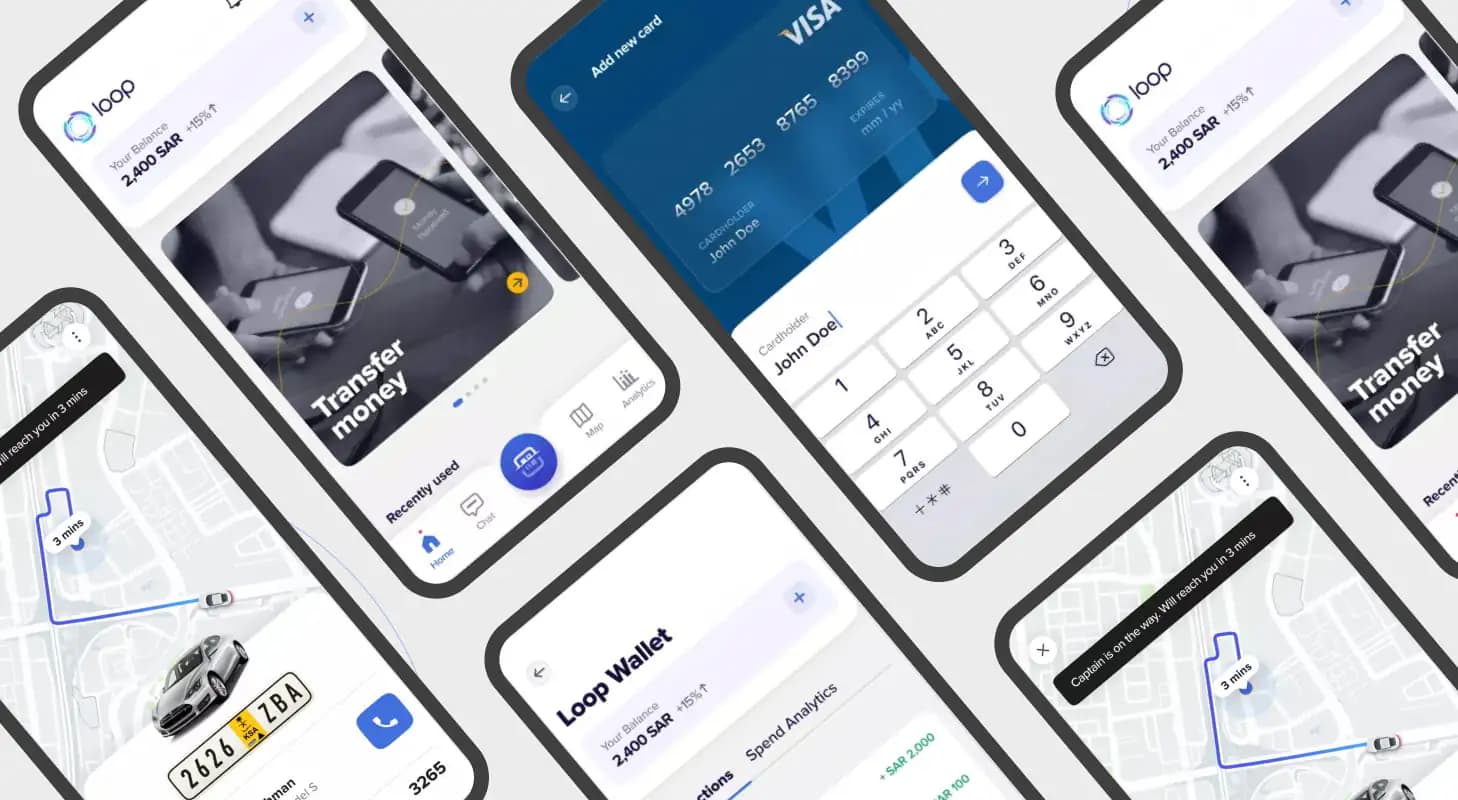
The previous contractor’s team experienced technical and organizational issues with the project, so they found it challenging to onboard 4IRE software engineers at first. The 4IRE team’s task was to ensure the transactions’ stability, guarantee the efficiency of contact integration to the app, and embed the feature of transaction confirmation via a phone call (Unifonic).
The 4IRE software engineers started their work on the app by troubleshooting the security vulnerabilities and bugs. The transition-related bugs got fixed, and the integration with banks was improved first.
Solution Delivered
The work on this project took 6 months, with 10 members of the 4IRE team engaged in various stages of the project’s development and troubleshooting. It took one Product Owner, one System Analyst, one UI/UX designer, two back-end designers, two front-end designers, two QA testers, and one DevOps engineer to bring the project to the right track and achieve its successful completion.
The technology used in this project included Java 7-8, Spring 3, Spring Security, Spring AOP, Spring Data JP, Hibernate, HQL, SQL, Flyway, MySQL, Maven, Jenkins, JBoss Application Server, and ActiveMQ. 4IRE experts also completed profound work with the app’s security audit and conducted comprehensive rebranding to ensure the project’s better marketability.
Project Outcomes
The 4IRE team managed to give tangible improvements to the quality of software development processes in this FinTech project. The development aspect was enhanced with mature, experienced, and disciplined team members able to deliver top-notch code quality. The delivery part was strengthened with better planning and timely milestone delivery.
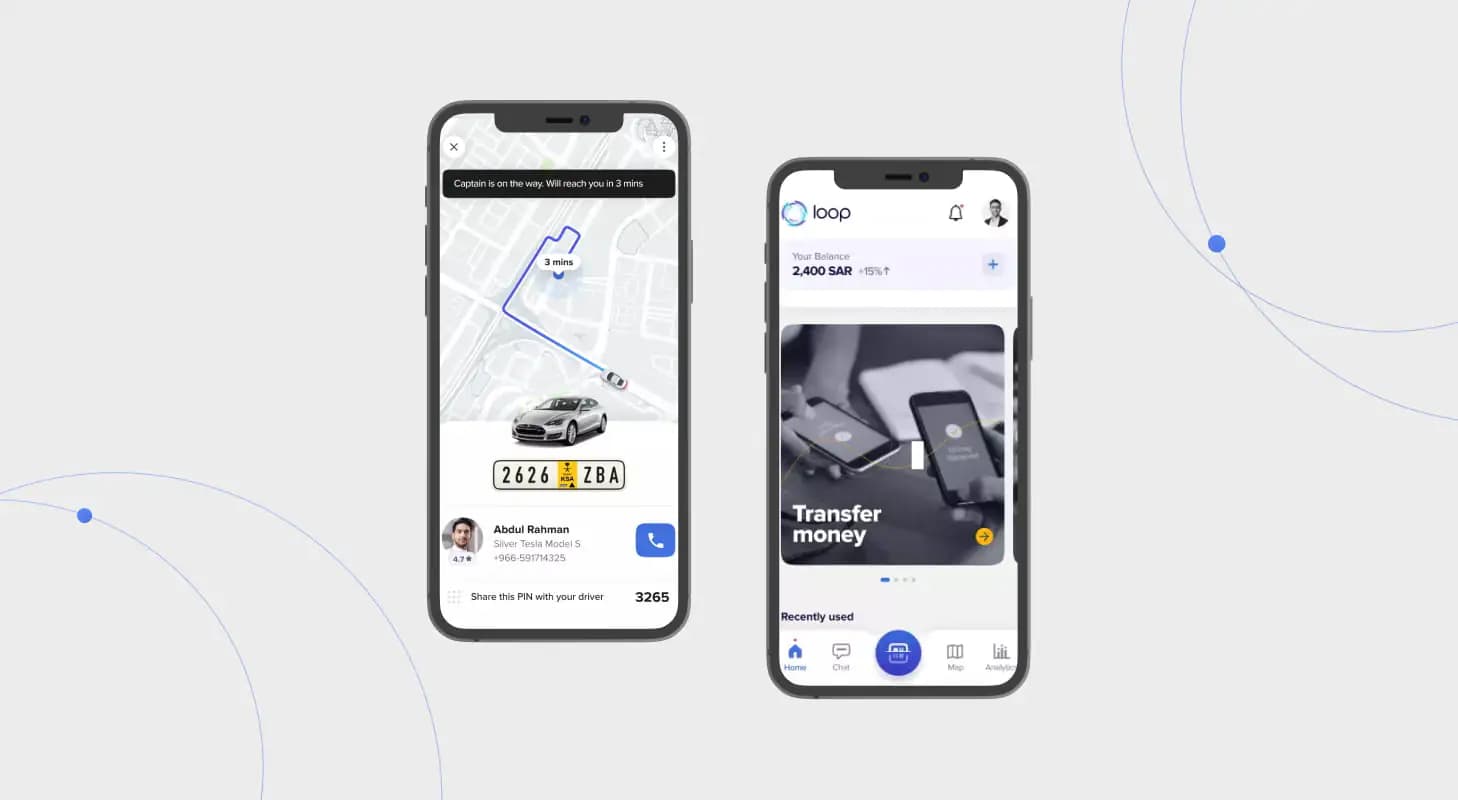
As a result of the 4IRE team’s participation in the project, the resulting app could deliver a secure and frictionless financial experience to individuals and businesses using the digital startup’s wallet for non-cash payments.
Our Latest Insights
 AI07 Aug 2026
The Illusory Promise of Fast-Track AI Tech Startups: Lovable Dev Trends 2026
Lovable has turned software development into a massive non-tech trend. What percentage of projects make it to the tech startup category? Find out here.
Yaroslav Tumanov
 Payment Gateway14 Jul 2026
Circle vs Paxos: A Side-by-Side Comparison for FinTech Builders
Compare Circle and Paxos on API capabilities, licensing, reserve structure, and blockchain support – a decision guide for fintech teams.
Helen Petraschuk
 18 Jun 2026
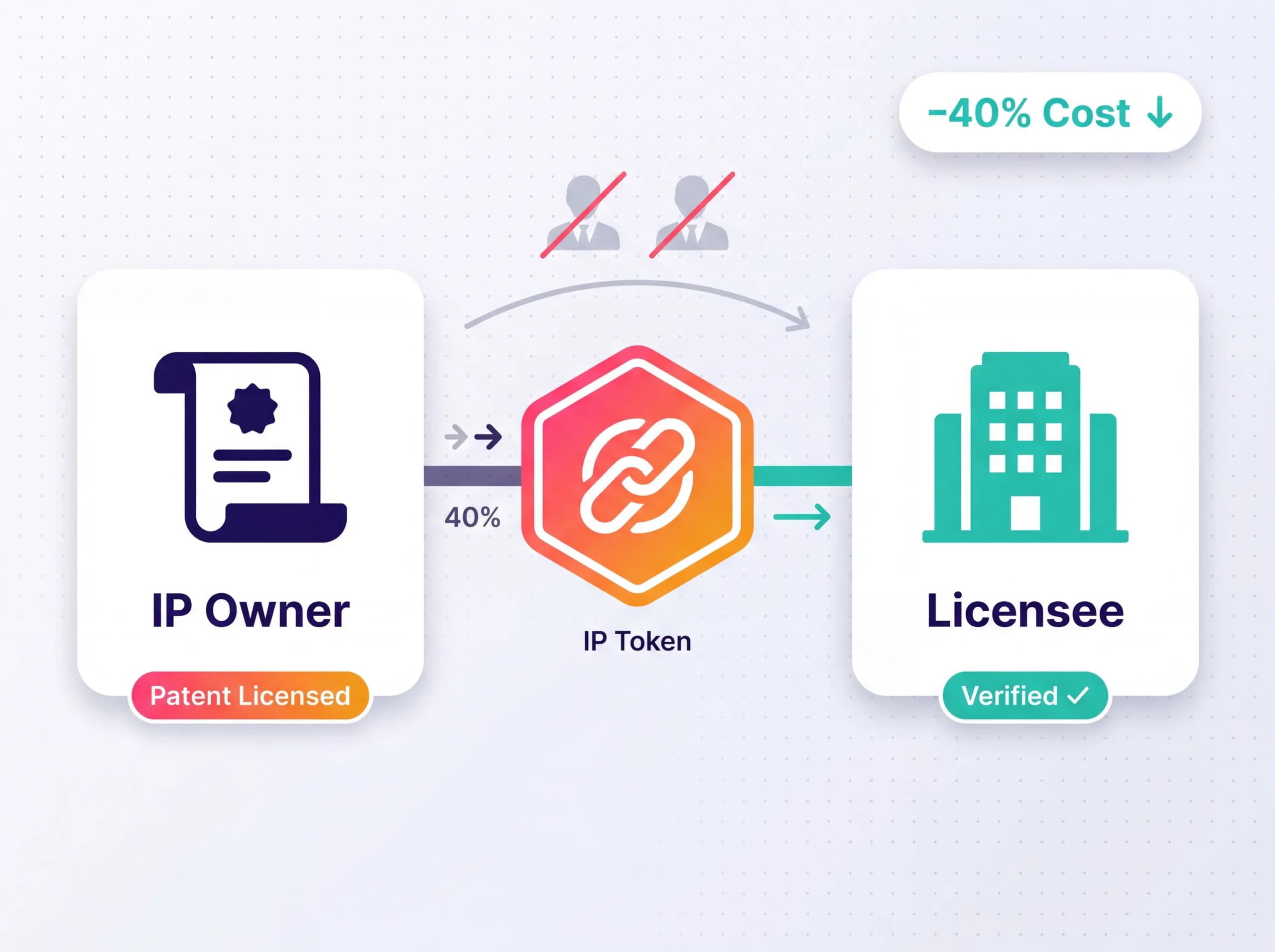
Tokenized IP Licensing: How Enterprises Eliminate Intermediaries and Reduce Costs by 40%
Tokenized IP licensing automates royalty distribution, cuts settlement to minutes, and removes intermediary fees. Read this guide to reap IP licensing benefits.
Helen Petraschuk